

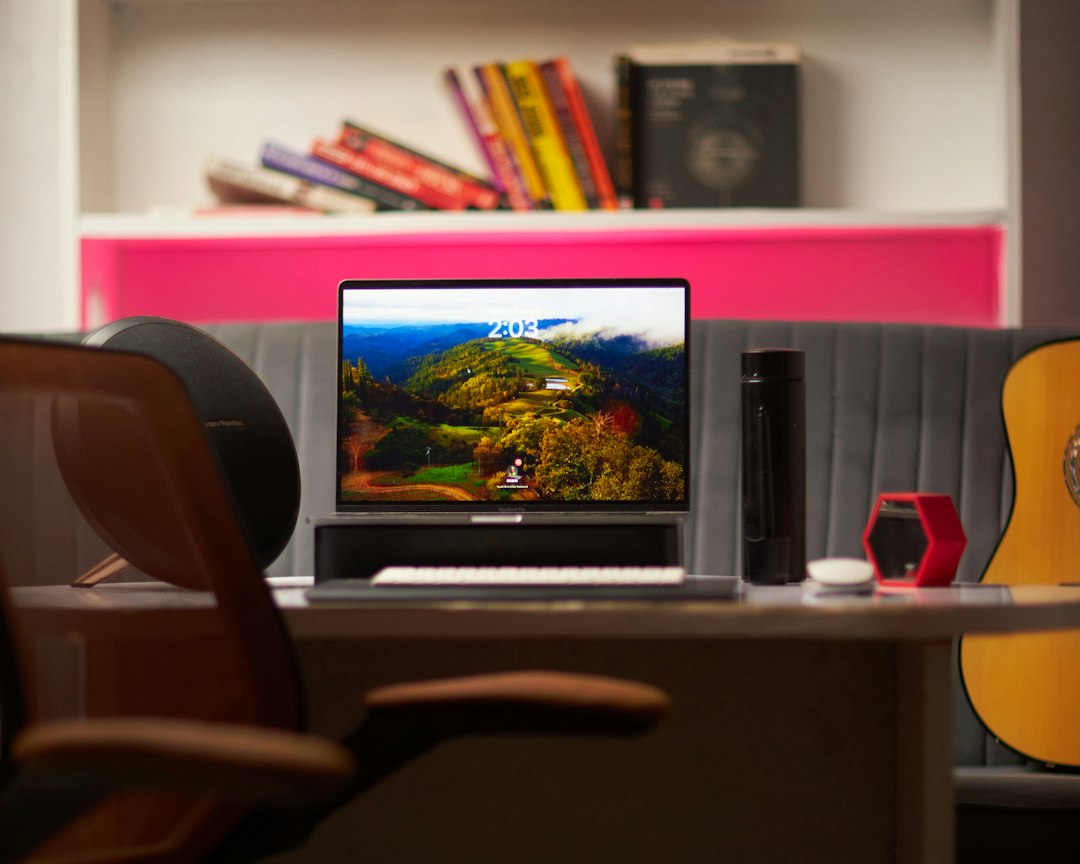
In today’s fast-paced world, the need for tranquility has never been more pronounced, especially within the confines of a library. A calm space serves as a sanctuary for individuals seeking refuge from the chaos of daily life. It provides an environment conducive to concentration, reflection, and relaxation. Libraries, traditionally viewed as places for study and research, can also embrace the role of wellness centers by incorporating serene areas that promote mental health and emotional well-being. The significance of such spaces cannot be overstated; they offer patrons a chance to recharge, think creatively, and engage in mindfulness practices.
Moreover, a calm space can enhance the overall library experience. It encourages patrons to linger longer, fostering a deeper connection with the library’s resources. By creating an inviting atmosphere that prioritizes peace and quiet, libraries can attract a diverse range of visitors, from students needing a study break to families looking for a moment of respite. This shift in focus not only enriches the library’s role in the community but also aligns with contemporary understandings of mental health, emphasizing the importance of self-care and personal space in public settings.
Creating a serene environment in your library can significantly enhance your mental well-being. For more insights on establishing a peaceful atmosphere, you might find the article on the White Leaf Press website particularly helpful. It offers practical tips and strategies for designing spaces that promote relaxation and focus. To explore this resource, visit White Leaf Press.
Choosing the Ideal Location for Your Quiet Zone
Selecting the right location for a calm space within a library is crucial to its success. Ideally, this area should be situated away from high-traffic zones where noise and distractions are prevalent. A corner of the library that is naturally quieter or a room that can be repurposed for this purpose may serve as an excellent choice. The goal is to create an oasis where patrons can escape the hustle and bustle of everyday library activities. Proximity to windows or natural light sources can also enhance the ambiance, making the space feel more inviting and less confined.
Additionally, consideration should be given to accessibility. The chosen location must be easily reachable for all patrons, including those with disabilities. A well-placed calm space can encourage more visitors to utilize it, thereby increasing its effectiveness as a resource for relaxation and mental decompression. By thoughtfully selecting the location, libraries can ensure that their quiet zones are not only functional but also welcoming and inclusive.
Designing the Layout for Maximum Relaxation
The layout of a calm space plays a pivotal role in its effectiveness. A well-designed area should promote ease of movement while providing various options for relaxation. Open spaces with designated zones for different activities—such as reading, meditating, or simply unwinding—can cater to diverse needs. For instance, incorporating cozy nooks with soft furnishings can invite patrons to curl up with a book, while more open areas can accommodate group activities like yoga or mindfulness sessions.
Moreover, the arrangement of furniture should encourage a sense of privacy without feeling isolated. Using partitions or plants can create semi-private areas that allow individuals to focus without feeling cut off from the rest of the library. The overall design should prioritize comfort and accessibility, ensuring that every visitor feels welcome and at ease in this tranquil environment.
Selecting Comfortable and Supportive Seating
Seating is one of the most critical elements in creating a calm space within a library. The right chairs and couches can significantly influence how patrons experience relaxation. Comfortable seating options should be prioritized, with an emphasis on ergonomics to support prolonged use without discomfort. Soft cushions, supportive backrests, and varied seating heights can cater to different preferences and needs.
In addition to comfort, aesthetic appeal should not be overlooked. Seating that complements the overall design theme of the calm space can enhance its inviting nature. Incorporating a mix of seating styles—such as lounge chairs, bean bags, or even floor cushions—can provide patrons with choices that suit their individual relaxation preferences. Ultimately, the goal is to create an environment where visitors feel physically supported while they unwind.
Creating a serene environment in your library can significantly enhance your ability to decompress and focus. To further explore this topic, you might find it helpful to read an insightful article on establishing a peaceful reading nook, which offers practical tips and ideas. For more information, check out this related article that complements your efforts in setting up a calm and quiet space for mental relaxation.
Incorporating Soothing Colors and Lighting
The psychological impact of color and lighting cannot be underestimated when designing a calm space in a library. Soft, muted colors such as pastels or earth tones can evoke feelings of tranquility and comfort. These hues can be applied to walls, furniture, and decorative elements to create a cohesive and soothing atmosphere. Additionally, incorporating artwork or murals that reflect nature or abstract designs can further enhance the calming effect.
Lighting is equally important in establishing a serene environment. Natural light should be maximized wherever possible, as it has been shown to improve mood and reduce stress levels. However, when natural light is limited, soft artificial lighting options—such as warm LED bulbs or adjustable lamps—can create an inviting glow without being harsh or overwhelming. The combination of soothing colors and gentle lighting will help patrons feel relaxed and at ease as they enter this tranquil space.
Minimizing Noise: Soundproofing and Quiet Zones
To maintain the integrity of a calm space within a library, minimizing noise is essential. Soundproofing measures can significantly enhance the effectiveness of this area by reducing external disturbances. This may involve installing acoustic panels on walls or ceilings, using carpets or rugs to absorb sound, and ensuring that doors close quietly to prevent disruptive noises from entering the space.
In addition to soundproofing, establishing designated quiet zones within the library can help reinforce the importance of maintaining silence in these areas. Clear signage indicating quiet zones can remind patrons to keep noise levels down while using these spaces. By actively promoting a culture of respect for quietness, libraries can ensure that their calm spaces remain effective sanctuaries for relaxation and reflection.
Adding Natural Elements for a Peaceful Atmosphere
Integrating natural elements into a calm space can significantly enhance its peaceful ambiance. Plants not only improve air quality but also contribute to a sense of well-being and tranquility. Incorporating greenery—such as potted plants, hanging vines, or even small indoor trees—can create a refreshing atmosphere that connects patrons with nature.
Water features can also play a vital role in promoting relaxation within this environment. The gentle sound of flowing water can mask background noise while providing a soothing auditory experience. Whether it’s a small fountain or an aquarium filled with colorful fish, these elements can transform the calm space into an oasis of serenity that encourages patrons to unwind and recharge.
Providing Resources for Mental Decompression
A calm space should not only be about physical comfort but also about providing resources that facilitate mental decompression. Libraries can offer materials such as mindfulness books, guided meditation recordings, or even stress-relief tools like fidget spinners or stress balls. These resources empower patrons to engage in self-care practices while utilizing the calm space.
Additionally, workshops or classes focused on mindfulness techniques or relaxation strategies can be organized within this area. By offering structured activities that promote mental well-being, libraries can further enhance their role as community hubs dedicated to fostering emotional health and resilience among their visitors.
Establishing Guidelines to Maintain the Quiet Environment
To ensure that the calm space remains effective over time, establishing clear guidelines is essential. These guidelines should outline expectations regarding noise levels, appropriate behavior, and usage of resources within the area. Communicating these rules through signage or staff interactions can help set the tone for respectful use of the space.
Furthermore, libraries may consider implementing a feedback system where patrons can share their experiences or suggest improvements for the calm space. This collaborative approach not only empowers visitors but also fosters a sense of ownership over this tranquil environment, encouraging everyone to contribute to its upkeep.
Promoting the Space to Library Visitors
Once a calm space has been established within a library, promoting it effectively is crucial for attracting visitors. Utilizing various communication channels—such as social media platforms, newsletters, and community events—can help raise awareness about this new resource. Highlighting its benefits for mental health and relaxation will resonate with potential users who may be seeking solace amidst their busy lives.
Additionally, hosting special events or themed days centered around mindfulness practices can draw attention to the calm space while encouraging community engagement. By actively promoting this area as an essential part of the library experience, libraries can cultivate interest and ensure that it becomes a valued resource for all patrons.
Regularly Evaluating and Updating the Calm Space
The journey toward creating an effective calm space does not end once it is established; regular evaluation and updates are necessary to maintain its relevance and effectiveness. Gathering feedback from patrons about their experiences in the space can provide valuable insights into what works well and what may need improvement.
Libraries should remain open to making adjustments based on changing needs or preferences within their communities. This could involve refreshing decor, updating resources available in the space, or even reconfiguring furniture layouts based on user feedback. By committing to ongoing evaluation and adaptation, libraries can ensure that their calm spaces continue to serve as vital havens for relaxation and mental well-being for years to come.


